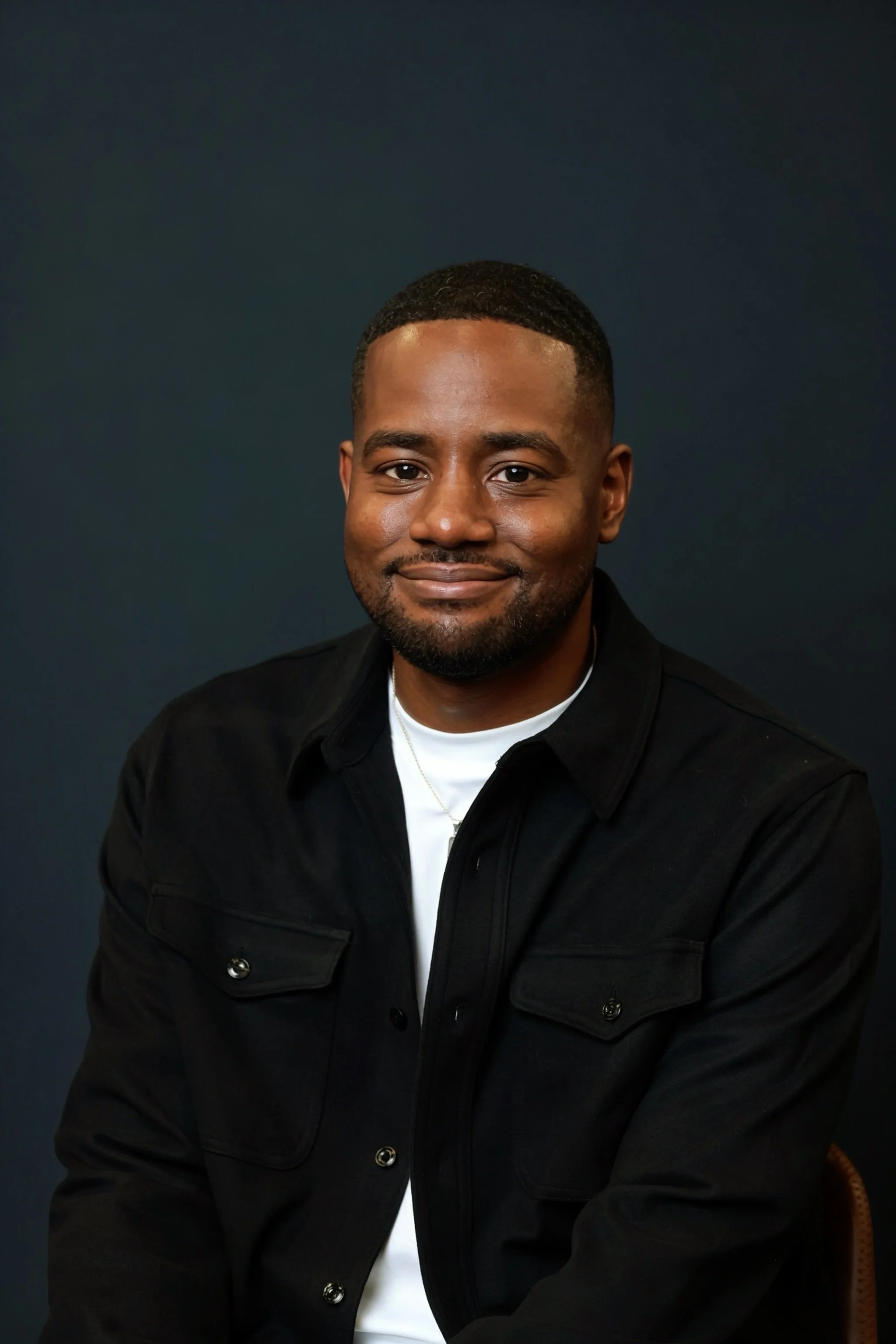
Product Designer
Charlotte, NC
Tashawn Jones
I design the parts of big consumer products that don't exist yet, like new formats, feeds, and ways to watch.
Currently at ESPN. Previously at Twitter/X, Red Ventures, and DockYard, where I worked on Netflix's production tools.
Currently open to new opportunities.
Want to connect? Shoot me an email.
Work
ESPN
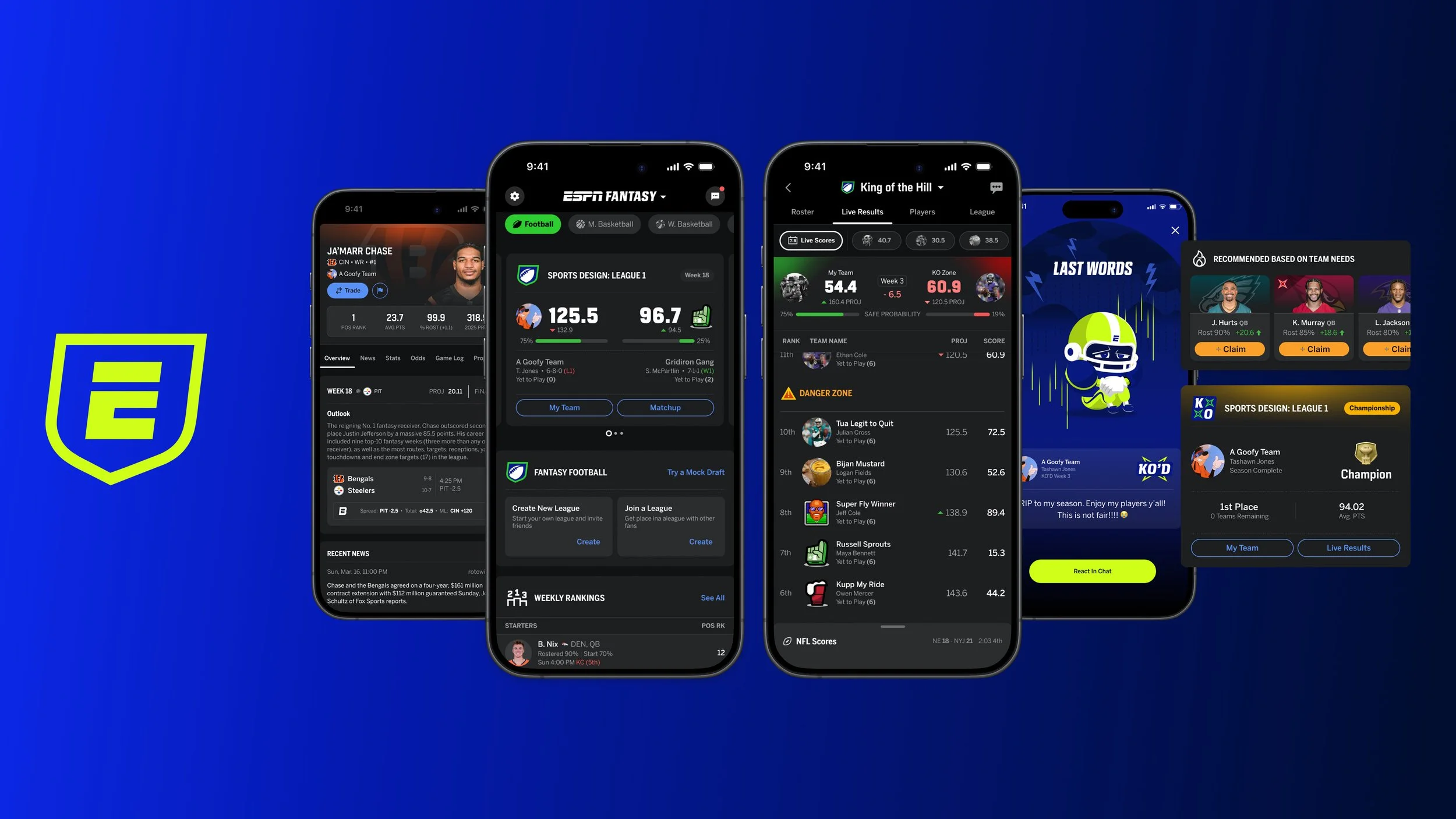
I've been at ESPN for four years, working on both the ESPN app and the ESPN Fantasy app. On the ESPN app, I worked on things that didn't really have a shape yet, like vertical video, an AI assistant, and a redesigned F1 schedule. On the Fantasy app, I lead Growth & Innovation, the group that figures out what the app should be next, and I've owned the two biggest releases we've shipped since I joined.
-
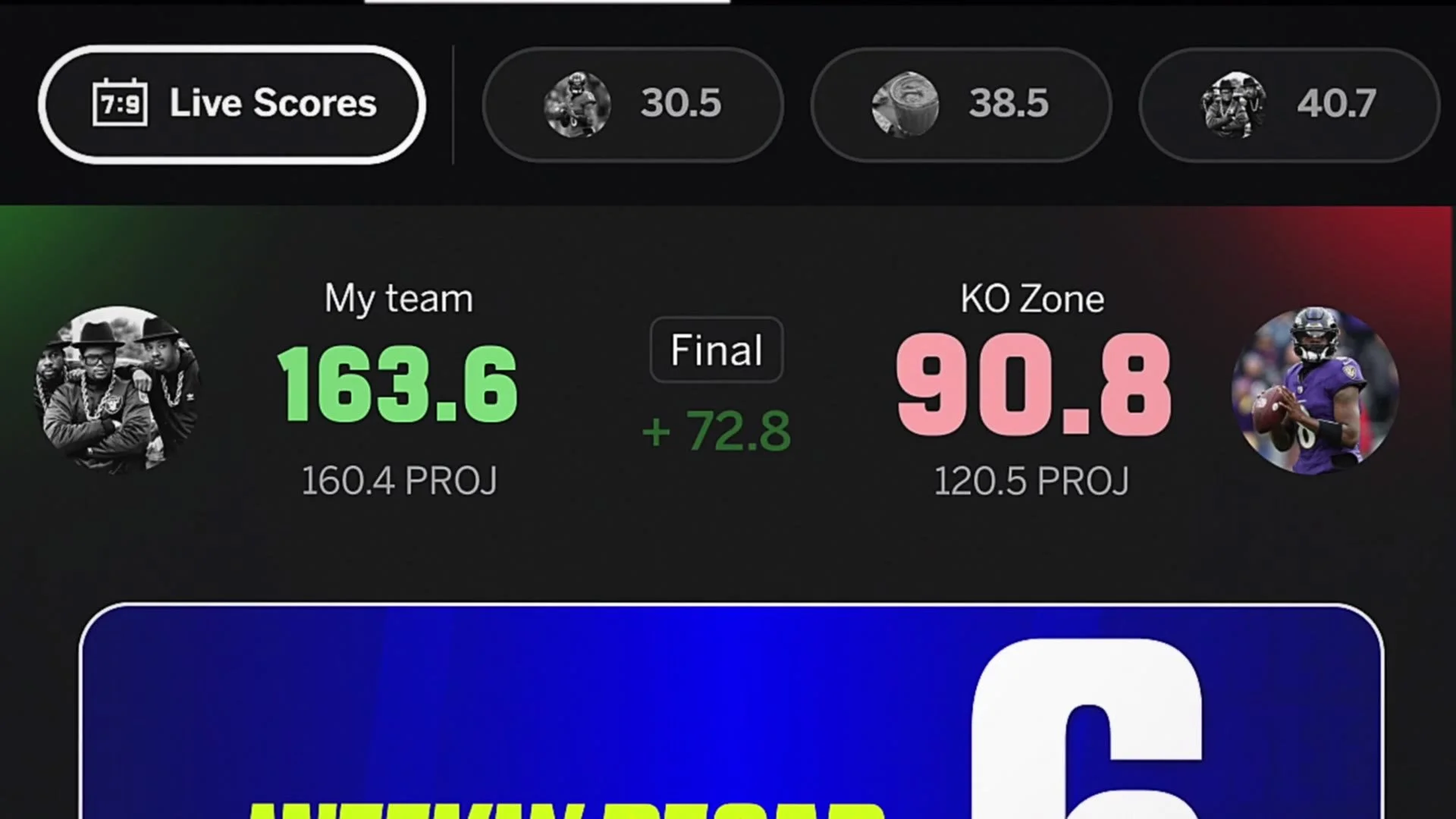
Knockout is ESPN's take on the guillotine format. Every week the lowest-scoring team gets eliminated, their roster hits the waiver wire, and the last team standing wins.
I led the design with Derek, working with product, engineering and visual design on a tight timeline. Nothing like it existed in the app, so every screen started from scratch. That includes the moment you get knocked out, which turned into Last Words, a parting message your leaguemates have to live with for the rest of the season. The format also has its own visual language, with a color system that shows how close you are to elimination and a KO badge where the standard shield would normally sit.
I also designed the marketing page it launched on.
-
The brief was to "lightly refresh" the look and feel of the ESPN Fantasy app. It ended up being the biggest change the product had seen in years.
I owned the player card and the homefeed, the two most trafficked pages in the app. The player card went from an infinite scroll of mixed content to a tabbed layout built around a new header. The homefeed got a new head-to-head matchup card with a set of modules underneath it, which pulled up ranking and analyst content that used to be buried inside articles.
We shipped in August 2025.
-
ESPN's short-form video does huge numbers everywhere except on ESPN. A big chunk of our own users had never seen any of it inside our app.
Verts was our answer, a vertical video experience built for ESPN's own product. I ran discovery, early concepts, and the UX and visual design for V1, then handed it off. It later evolved into SC4U, a personalized SportsCenter narrated by AI in the voices of ESPN's on-air talent. Both shipped as key features of ESPN's new direct-to-consumer app.
What are Verts? | What is SC For You? | ESPN's DTC launch
-
ESPN has 45 years of sports information that most fans never get to dig through. ESPN Search Beta (we called it SportsBot internally) is the AI-enhanced search built to open that up.
I led the early design and concepting and carried it into a selective beta, then handed it off when I moved over to Fantasy. The main idea was to keep it simple. Show a quick snapshot of the likely answers instead of burying the fan in text, and give them a clear path into the full data on ESPN. It's public now.
Work
Netflix
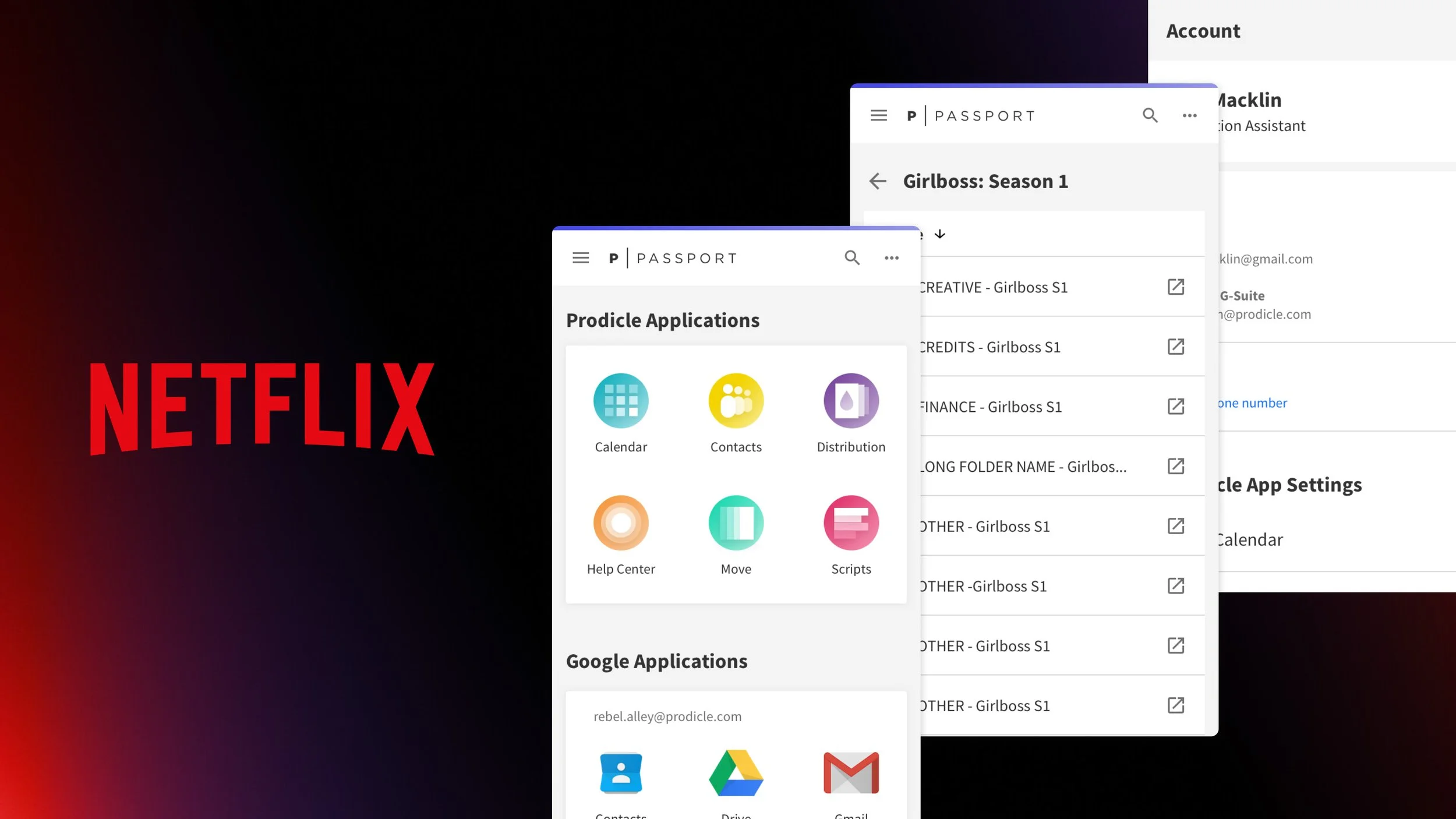
Prodicle is a suite of film-production apps I worked on at DockYard. There were nine or ten in all, built for the crews working on Netflix series and films. These were people on set, not sitting at a desk.
I was lead designer on Passport and Distribution, and I contributed across the rest of the suite. Netflix's internal team took the work over from DockYard shortly before I left, and the design system underneath it went on to become Hawkins.
-
Passport was the hub. It put every Prodicle app a crew member could reach, plus G Suite, their production's files and their account, all in one place.
The hub itself was the easy part. Everything behind each tile was owned by a different team and named differently, and Passport was the only place where one person ran into all of it at once, usually in a hurry and usually on set. Most of my work was figuring out what Passport could simplify and what it had to leave alone.
-
Scripts leak, and that was the problem we were solving.
Distribution let crews send production files out safely. Files were watermarked per recipient, password-protected, and sent with links that expire. The challenge was making that feel like sending a file and not like filling out a security form, because once it feels like a form, people go back to email.
-
Everything in Prodicle sat on a shared design system. A small central team managed it, and the rest of us contributed app-specific components back into it.
That's why nine or ten apps, built by different groups for very different jobs, still felt like one product. It's also where I learned that consistency is something you provide for other teams, and it doesn't work as a rule you force on them.
Work
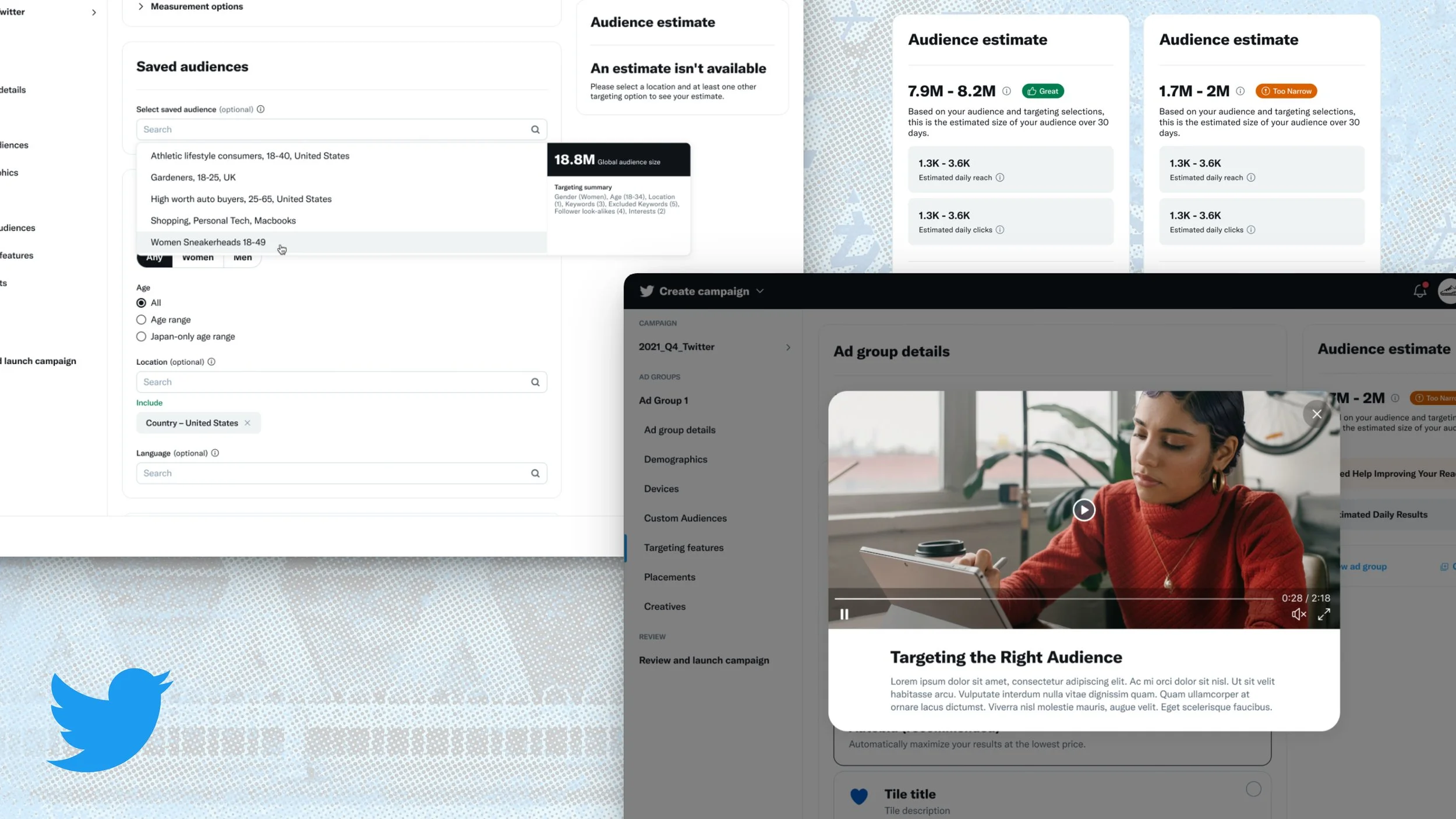
I was on the Advertiser Experience team at Twitter, working on audience management and targeting. That's the part of the Ads product where a business decides who it's actually trying to reach. It's the least glamorous work I've done, and probably the most useful.
I was the sole designer on all three projects below. I took each one from problem to finished design, working with stakeholders and researchers along the way, then handed it off to engineering to build.
-
A redesign of the widget that shows advertisers who they're about to reach. It gives live audience size and reach estimates that update as they build their targeting.
Setting up a campaign is a dozen small decisions, and in the old flow you didn't know what they added up to until you'd made all of them. The redesign shows you the effect of each choice right when you make it.
-
A way for advertisers to build an audience once, save it, and reuse it across campaigns.
Most advertisers weren't defining new audiences. They were rebuilding the same one from scratch every time and hoping it matched last month's. Saving was the easy part. Most of the design work went into everything around it, like naming an audience, finding it again later, and knowing it's still the one you meant.
-
Controls that let advertisers filter and shape the content their ads run alongside.
The goal was to give advertisers enough control to trust the platform without turning campaign setup into a compliance exercise. A lot of it came down to defaults: what's already on before anyone touches anything, and what lives one level down.
Work
Higher Education
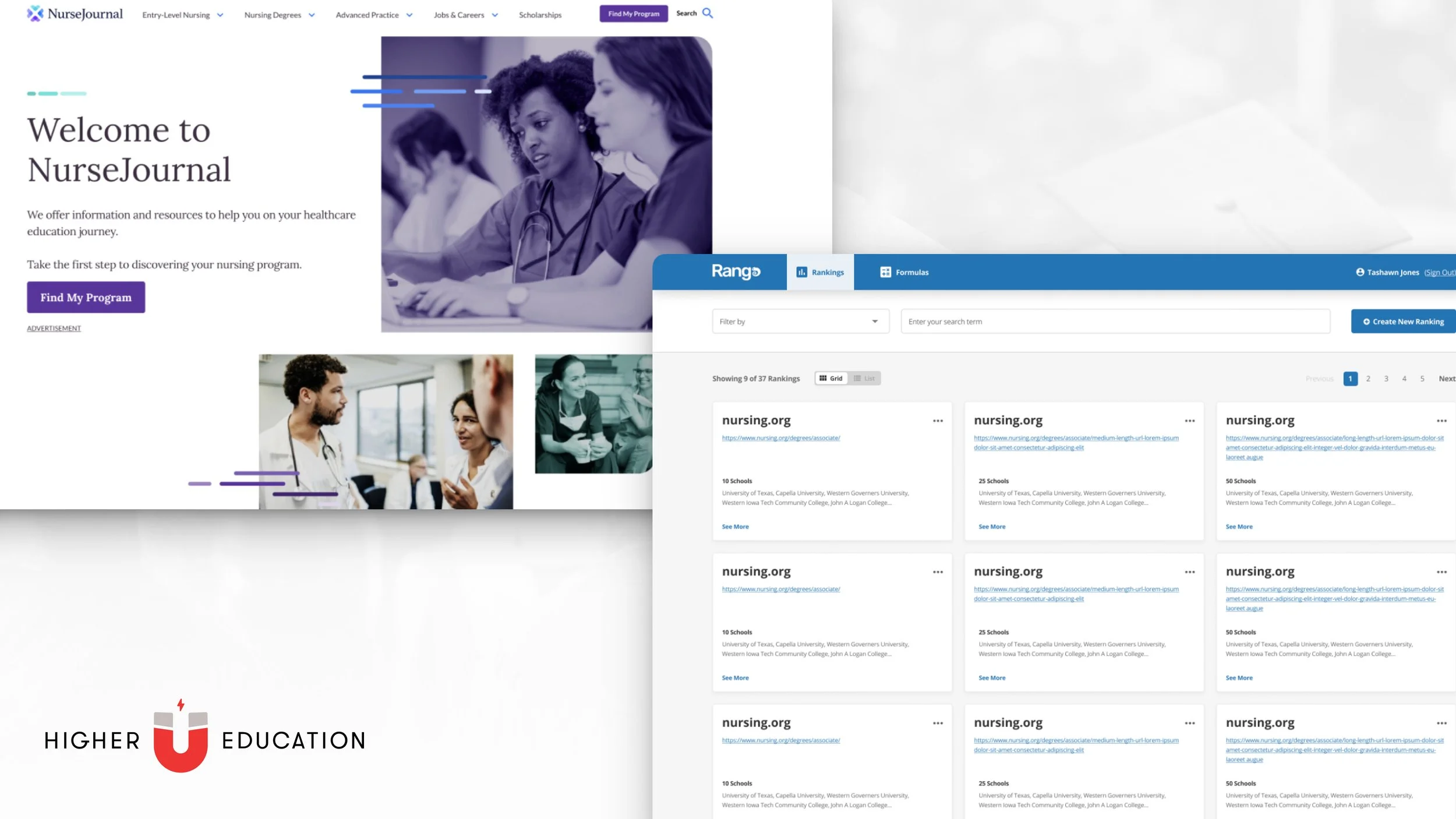
I spent six years at Red Ventures. I designed partner marketing sites and products for brands like AT&T, Verizon, Novant Health, and P&G, but my most impactful work there was on the Higher Education business as a senior product designer and researcher. The job was helping people figure out where to go to school and what to study. That sounds small until you remember it's one of the biggest financial decisions most people ever make, and the industry around it isn't built to make it clear.
-
Sonic was a master design system, and I owned the build-out. It gave us one shared set of parts, so a redesign or a new build stopped being a from-scratch project every time.
When I joined, there were roughly 300 partner sites in Higher Education. We pared that down to somewhere between 100 and 150 running on the system, with custom layouts for the top-ranking and top-grossing sites. Building the components was the easy part. Getting teams to adopt them was the real work.
-
The business ran on match quality. Someone lands on a school listing, fills out an inquiry form, and we only earn if they actually apply. A form filled out by someone who was never going to apply isn't worth anything to anyone.
So I built internal and external tools to help people find programs that fit their budget, format, timeline and what they want to be doing afterwards. People show up knowing what they want out of life and nothing about how programs are categorized. The tool has to bridge that gap.
-
This is where I did the most hands-on research. I talked to prospective students, tested flows, and watched people get stuck on things we were sure were obvious.
Other Work
Brands I designed marketing sites and products for at Red Ventures.


Why Me?
Art has been something I've loved since I was a child. As I was preparing to go to college, my art teacher suggested I get into graphic design. It wasn't until I looked into what graphic design actually was that I realized I'd been doing it my entire life: making my own posters and collages, fake VHS sleeves and album covers, and a ton of other nerdy things.
Fifteen years later, I'm still doing a version of that. I like to make the thing before anyone's sure it should exist, so people can react to something real and not just a description. Lately that means prototyping with AI. I'm building working apps in Claude Code with real video cut in and cloned narration. For my next venture, I’m looking for a team that would rather see the first version built than hear it described.
Philosophy
Build with intent. Build with passion. Build with empathy.
Reach Out
Like what you've seen? Send me an email and tell me what you're building.
Here's my resume. I'm in Charlotte, happy to work remotely or travel, and available now.